Understanding Dysphagia

Dysphagia refers to swallowing difficulties, such as choking on food or drinks, coughing during or after swallowing, and difficulty moving food around in your mouth. If swallowing isn't safe or effective, eating and drinking can become stressful, but with the right support, it can be managed. 1,2

If you recognise these symptoms, it's important to talk to a health care professional promptly.

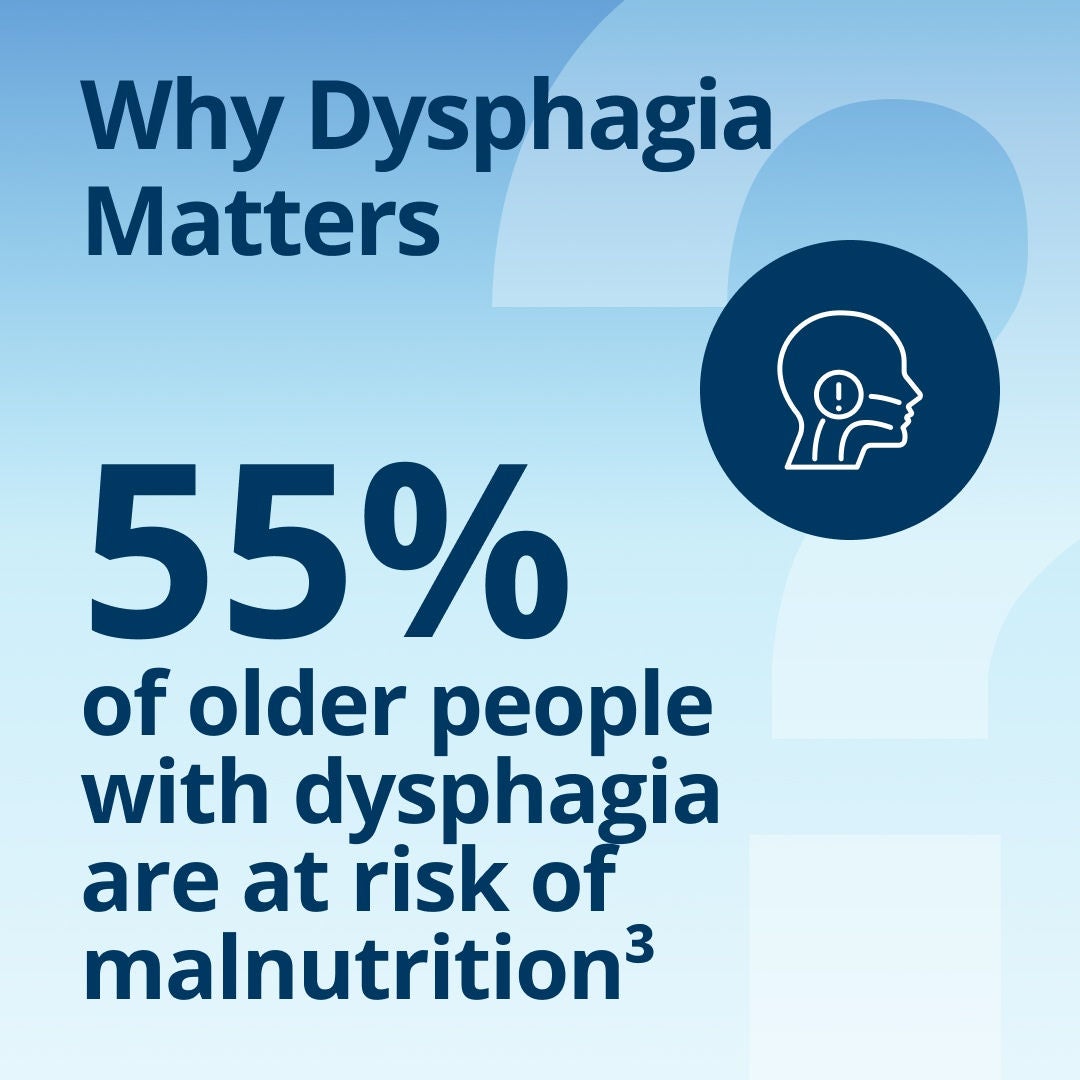
Why Dysphagia Matters: 55% of older people with dysphagia are at risk of malnutrition.

Supporting Nutrition and Confidence

When swallowing is a challenge, the impact goes beyond nutrition. Fear of eating can develop into a psychological barrier to your wellbeing. By choosing oral nutritional supplements (ONS) that match the IDDSI4 framework for your particular needs, you can continue to meet your nutritional requirements while also building confidence. 5,6

With the support of your healthcare team, you’ll find options that are suitable for your needs, whilst also fitting your daily routine and personal preferences.

Fresubin's dysphagia range is available in a variety of formats, including Thick&Easy  Clear Food Thickener, Fresubin Praline-flavoured 2KCAL Crème and Fresubin Vanilla-flavoured Thickened Level 2 Drink.

Finding the Right Way to Eat and Drink Again

At first, mealtimes felt overwhelming. Worrying about choking made it easier to avoid eating and drinking altogether. With support from a healthcare team, the right textures and thickened drinks were identified, making eating and drinking safer and more manageable.

Over time, with careful monitoring and the right support, regular meals and thin drinks became possible again.

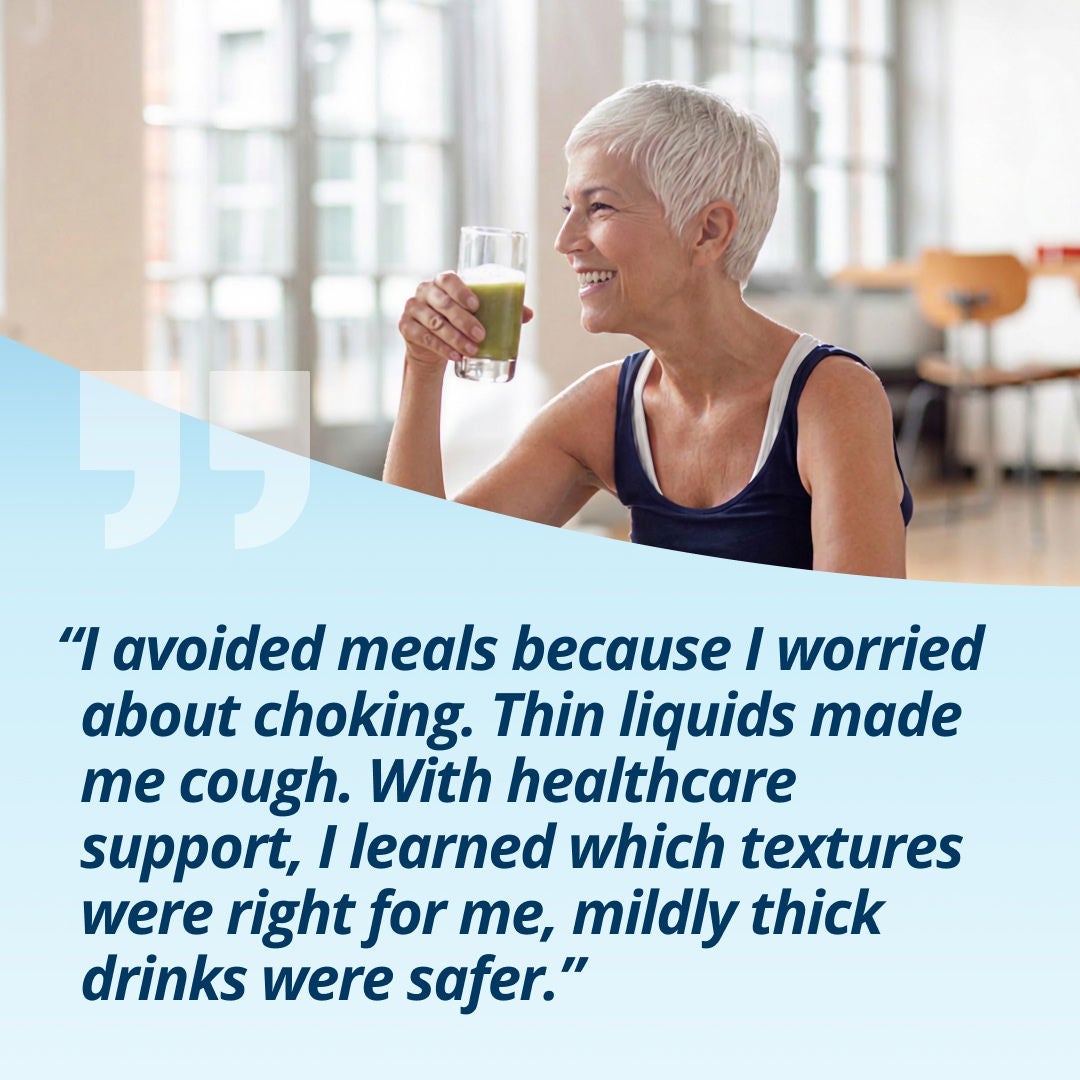
A smiling woman holding a glass of a light-green drink explains, "I avoided meals because I worried about choking. Thin liquids made me cough. With healthcare support, I learned which textures were right for me, mildly thick drinks were safer.'

*Fresubin products are food for special medical purposes, to be used under medical supervision. For the dietary management of patients with/ at risk of malnutrition. To be used under medical supervision. 
1McCarty EB, Chao TN. Dysphagia and Swallowing Disorders. Medical Clinics of North America. 2021 Sep;105(5):939–54
2McGinnis CM, Homan K, Solomon M, Taylor J, Staebell K, Erger D, et al Dysphagia: Interprofessional Management, Impact, and Patient-Centered Care. Nutrition in Clinical Practice. 2019 Feb;34(1):80–95
3Rofes L, Arreola V, Almirall J et al. Diagnosis and Management of Oropharyngeal Dysphagia and Its Nutritional and RespiratoryComplications in the Elderly. Gastroenterol Res Pract. 2011;2011:1-13.
4IDDSI - International Dysphagia Diet Standardisation Initiative. www.iddsi.org
5Thibault R, Abbasoglu O, Ioannou E, Meija L, Ottens-Oussoren K, Pichard C, et al. ESPEN guideline on hospital nutrition. Clinical Nutrition. 2021 Dec;40(12):5684–709
6Wu XS, Miles A, Braakhuis A. The Effectiveness of International Dysphagia Diet Standardization Initiative–Tailored Interventions on Staff Knowledge and Texture-Modified Diet Compliance in Aged Care Facilities: A Pre-Post Study. Current Developments in Nutrition. 2022 Apr;6(4):nzac032