Why Nutrition Matters During Cancer

Anti-cancer treatment can interfere with your body's normal nutritional intake. Common symptoms such as taste changes, nausea and mucositis can make it harder to eat well. 

Over time, this can affect muscle strength, physical ability and how well the body responds to treatment.

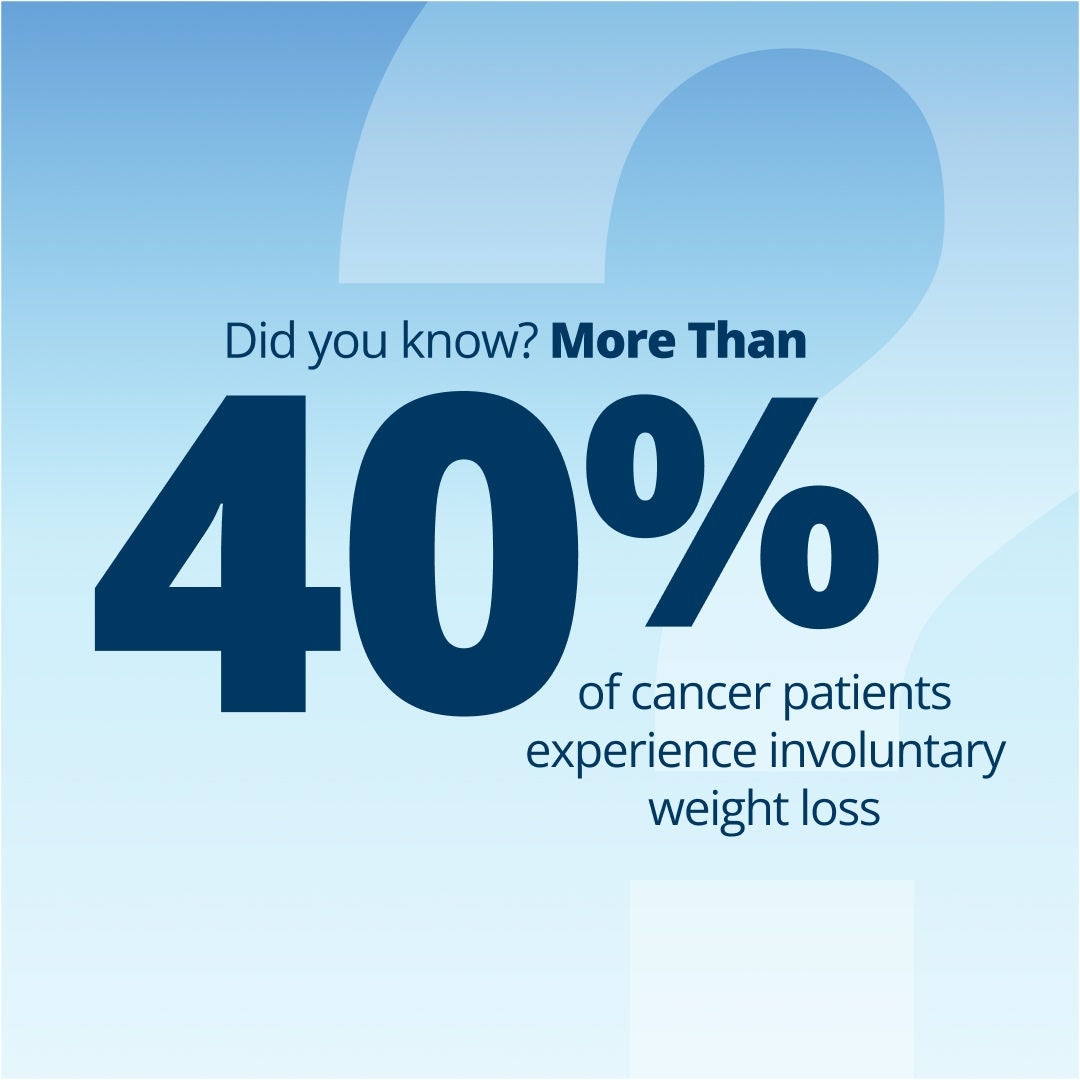
Fresubin explains that more than 40% of cancer patients experience involuntary weight loss

What Can Help When Food Intake Isn't Enough?

When diet isn't meeting your needs due to low appetite, side effects, or increased requirements, oral nutritional supplements (ONS) can help fill the gap with energy, protein, and key nutrients.

These nutritional drinks or desserts can support you at every stage, whether that's before surgery, during treatment or through to recovery, helping to top up energy and protein alongside your normal meals.

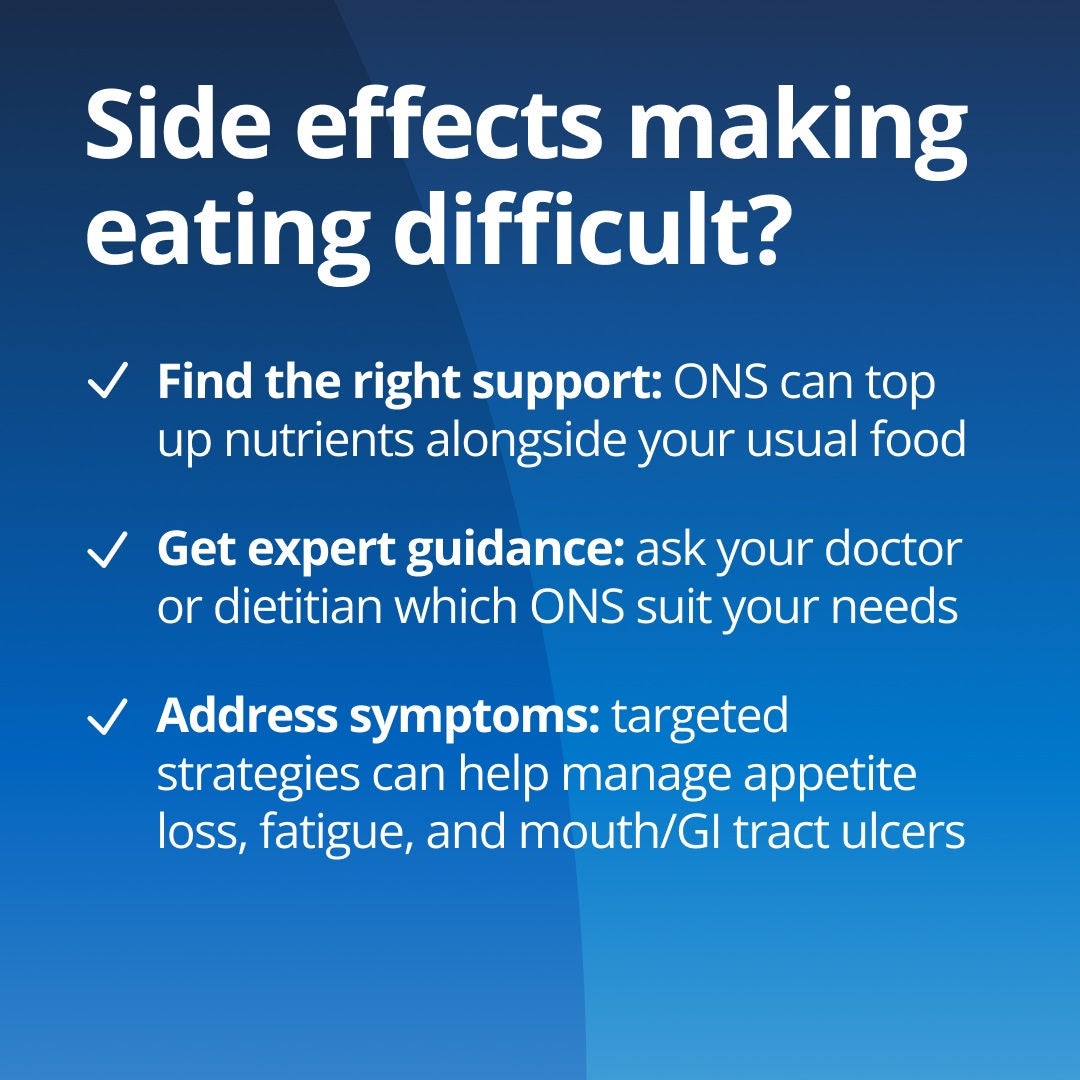
Side effects making eating difficult? Find the right support: ONS from Fresubin can top up nutrients alongside your usual food. Get expert guidance: ask your doctor or dietitian which ONS and Fresubin range suits your needs. Address symptoms: targeted strategies can help manage appetite loss, fatigue, and mouth or GI tract ulcers

Mary's Story: Staying Nourished Through Cancer Treatment

Mary, 56, was living with pancreatic cancer and finding it hard to eat well due to pain and significant weight loss. 

Working closely with her care team, her nutrition plan was carefully adapted at each stage, through surgery and chemotherapy, helping her maintain adequate nutrition and stay as strong as possible throughout her treatment journey.

A woman with short curly grey hair smiles gently while holding a purple mug of coffee knowing she is supported by Fresubin’s range of nutritional supplements

Taking Action: Your Next Steps

Check your nutritional status early using our Nutritional Status Checker or ask your healthcare team about screening. 

Tell your doctor or dietitian about any changes in appetite, weight, or potential gastrointestinal symptoms that reduce your ability to eat. If your food intake isn't enough, ONS can help fill nutritional gaps.

Starting support before surgery or anti-cancer therapies can improve your outcome.

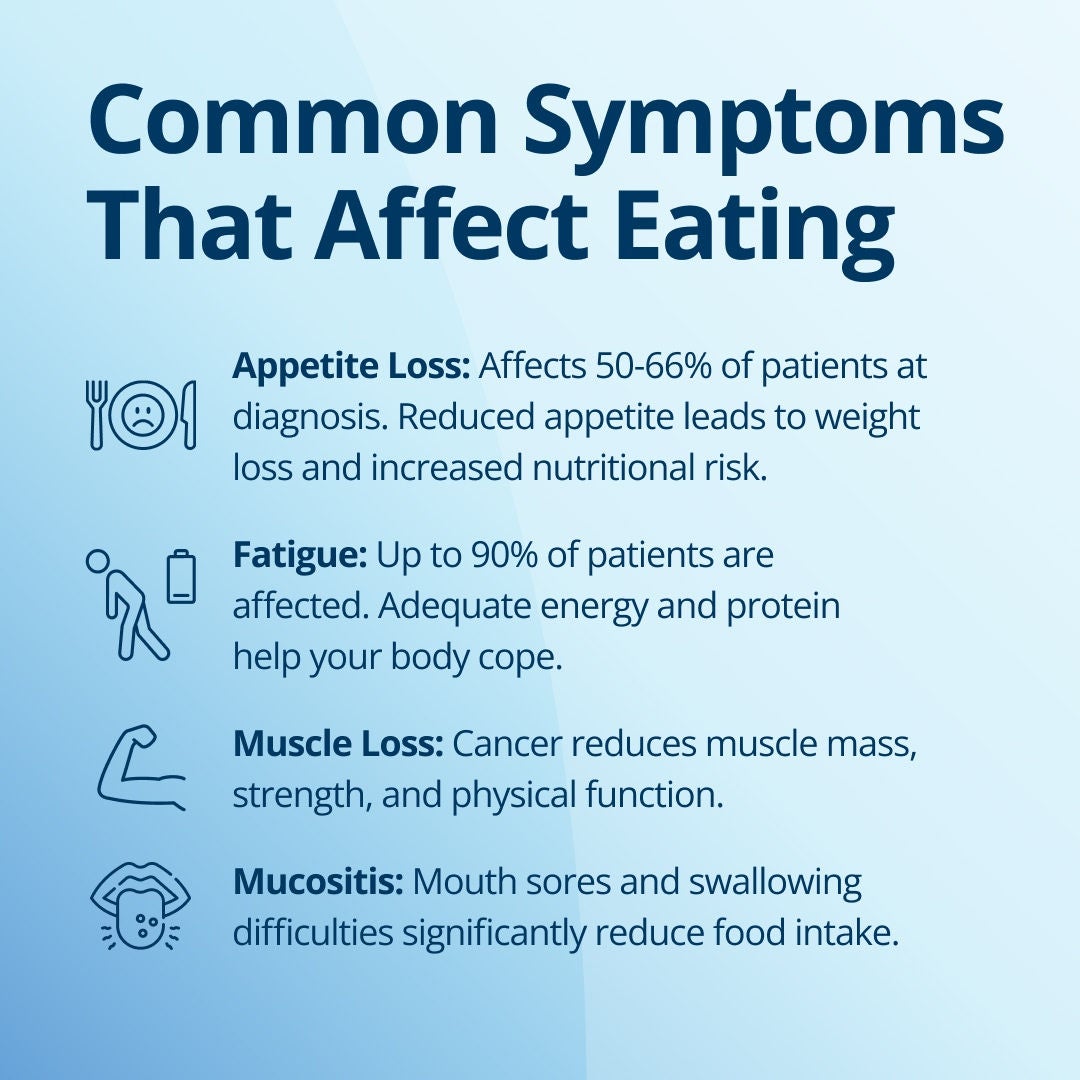
Fresubin explains common cancer symptoms that affect eating: Appetite loss affects 50-60% of patients at diagnosis and a reduced appetite leads to weight loss and increased nutritional risk. Fatigue affects up to 90% of patients and adequate energy and protein helps your body cope. Cancer reduces muscle mass, strength, and physical function. Mucositis, mouth sores and swallowing difficulties significantly reduce food intake.


*Food for special medical purposes. To be used under medical supervision. Supportan is for the dietary management in case/risk of malnutrition, esp. with cancer,  chronic catabolic diseases and/or cachexia.