Why Nutrition Matters for Growing Children

Children need adequate nutrition to support normal physical growth, development and immune function. When a child’s nutritional intake does not meet their needs, malnutrition may affect growth and development, as well as recovery from illness.¹

Malnutrition in children can often go unrecognised, particularly in those with underlying health conditions. Early recognition and nutritional support can make a real difference. Pediatric malnutrition is particularly relevant in children with disease or chronic conditions, and hospital-based research identifies under-recognition as an ongoing concern. ²⁻⁴

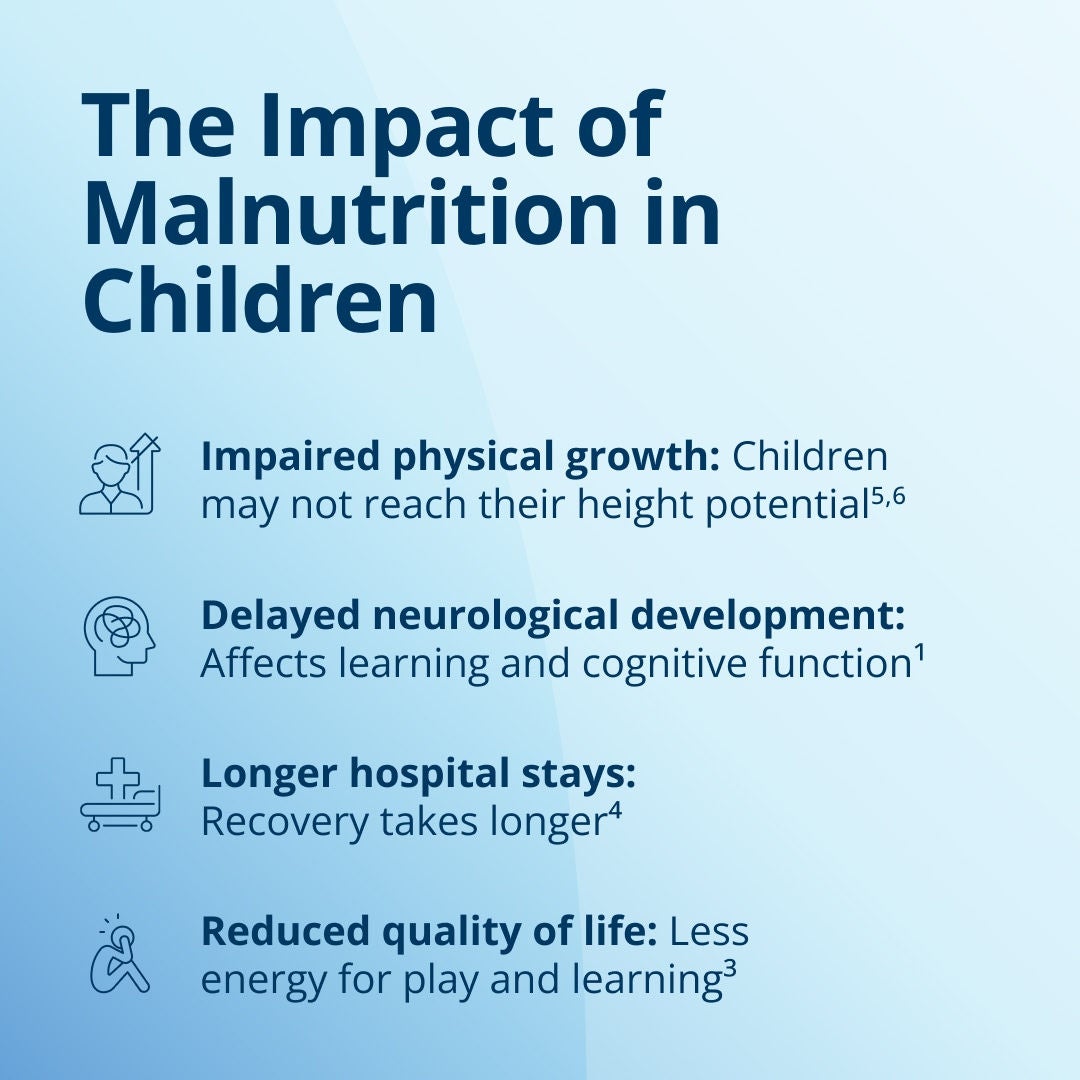
Malnutrition can have a range of impacts on children including: impaired physical growth where children may not reach their height potential; delayed neurological development which can affect learning and cognitive function; longer hospital stays as recovery takes longer; and a reduced quality of life due to less energy for play and learning.

Supporting Nutrition When Food Isn't Enough

When appetite is low or eating is difficult, oral nutritional supplements such as Frebini® ENERGY Drink and Frebini® ENERGY FIBRE Drink can help increase energy and nutrient intake.⁵˒⁶

They are available in four familiar flavours: Banana, Strawberry, Vanilla and Chocolate. Frebini® ENERGY Drink is available in Banana and Strawberry, while Frebini® ENERGY FIBRE Drink is available in Vanilla and Chocolate.

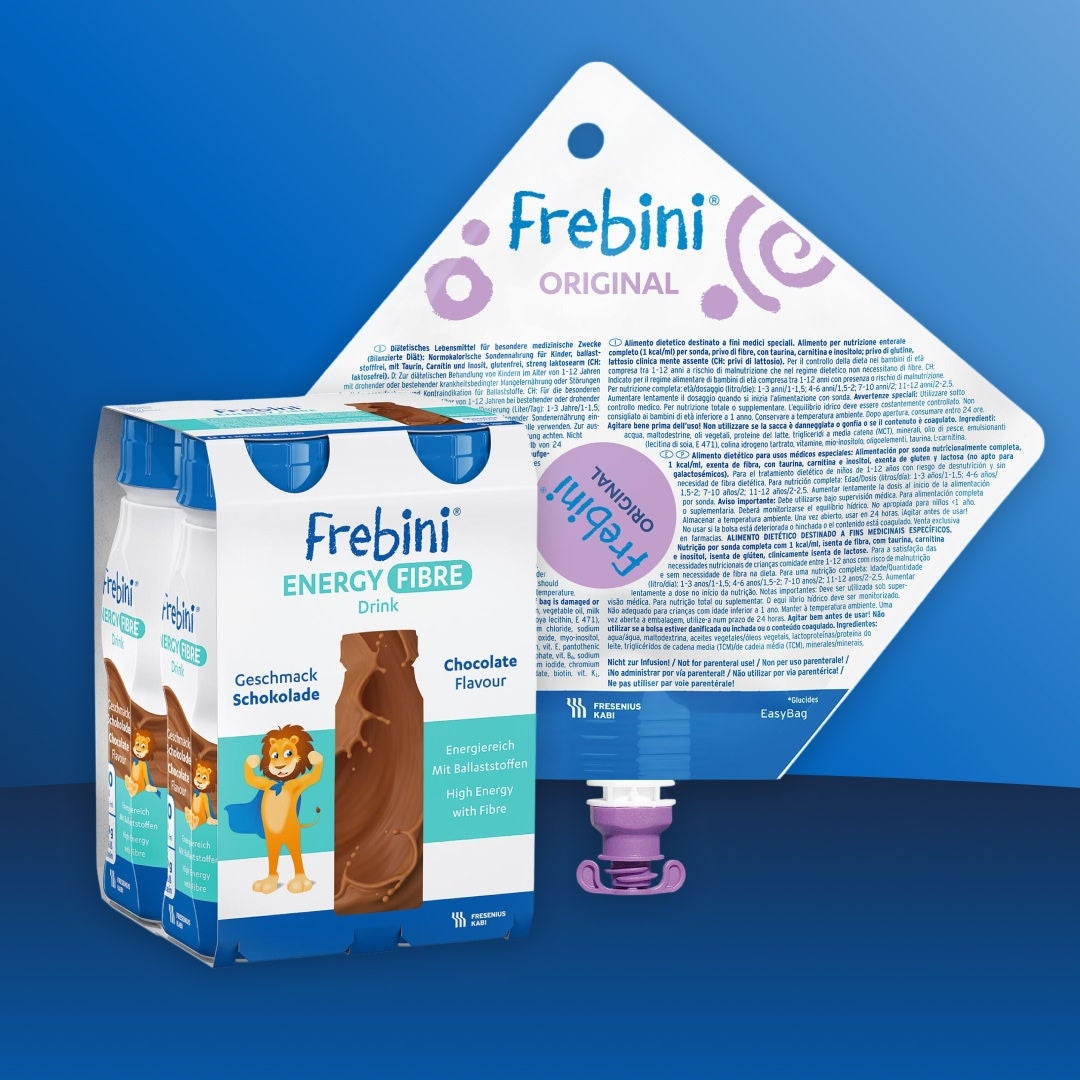
Fresubin's Freibini range is specifically designed for children and comes in a range of formats and flavours, including Frebini ORIGINAL Tube Feed and Frebini Chocolate-flavoured ENERGY FIBRE Drink.

1Mehta NM, Corkins MR, Lyman B, Malone A, Goday PS, Carney LN, et al. Defining pediatric malnutrition: a paradigm shift toward etiology-related definitions. JPEN J Parenter Enteral Nutr. 2013;37(4):460-81.
2Bryce J, Boschi-Pinto C, Shibuya K, Black RE. WHO estimates of the causes of death in children. Lancet 2005; 365(9465):1147-1152.
3ONS to tackle malnutrition. A summary of evidence base. Medical Nutrition International Industry (MNI), 2012.
4McCarthy A, Delvin E, Marcil V, Belanger V, Marchand V, Boctor D, et al. Prevalence of Malnutrition in Pediatric Hospitals in Developed and In-Transition Countries: The Impact of Hospital Practices. Nutrients. 2019;11(2).
5Alarcon PA, Lin LH, Noche M, Jr., Hernandez VC, Cimafranca L, Lam W et al. Effect of oral supplementation on catch-up growth in picky eaters. Clin Pediatr (Phila) 2003; 42(3):209-217.
6Huynh DTT, Estorninos E, Capeding RZ, Oliver JS, Low YL, Rosales FJ. Longitudinal growth and health outcomes in nutritionally at-risk children who received long-term nutritional intervention. Journal of Human Nutrition and Dietetics. 2015;28(6):623-35.