Malnutrition Risk in Older Adults is Frequently Under-Recognised

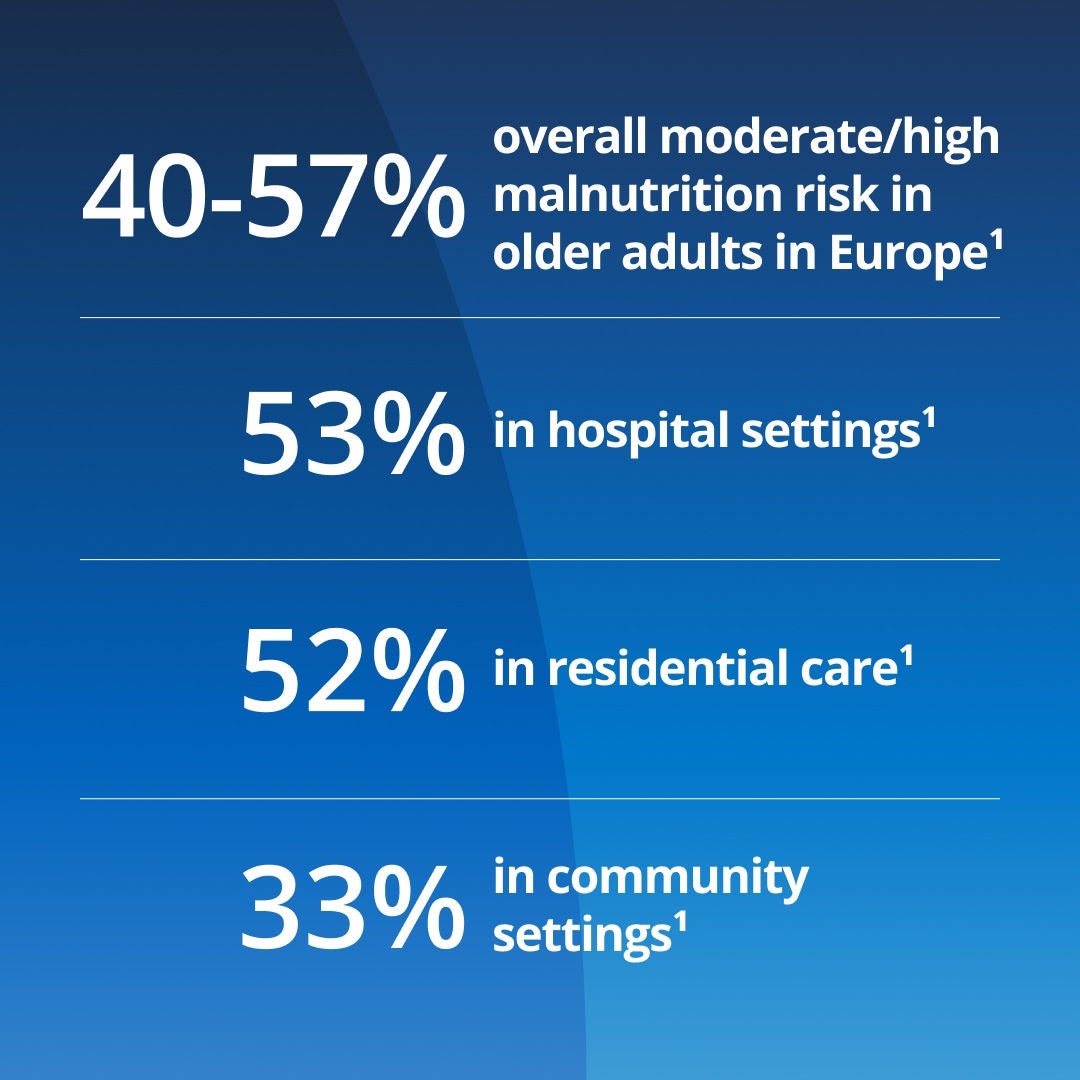
Moderate to high malnutrition risk affects 40–57% of older adults in Europe, yet it frequently goes undetected without a structured assessment.1


Functional Decline in Older Adults

Sarcopenia is the progressive loss of muscle mass, strength and physical performance, influenced by nutritional status. It is associated with reduced mobility, independence and quality of life.3

Frailty is a medical condition characterised by functional decline, creating the need for assistance to perform daily living activities. Indicators include unintentional weight loss, exhaustion, weakness, slowness, and inactivity.4

Fresubin explains that 40-57% of older adults in Europe face an overall moderate or high risk of malnutrition. This statistic is then 53% in hospital settings, 52% in residential care homes and 33% in community settings.

How Targeted Nutritional Support Can Help

ESPEN Guidelines on Clinical Nutrition and Hydration in Geriatrics recommend2:

  • Providing older adults with or at risk of malnutrition ONS with a minimum of 400 kcal per day, as this has been associated with reduced mortality
  • Using fibre-containing products when bowel function is not compromised
  • Regularly assessing compliance with ONS intake when offered to an older person with or at risk of malnutrition
  • ESPEN guidelines recommend a protein intake in older persons of at least 1 g protein per kg BW per day. Daily amounts of 1.2-1.5 g/kg have been suggested for older persons with acute or chronic illness

The PRO-AGE study group suggest 20 g of high-quality protein is the minimum effective dose to stimulate muscle protein synthesis; however, 25-30 g of high-quality protein per ‘meal’ will maximally stimulate muscle protein synthesis.5

Vitamin D at 15-20 μg/day recommended in older adults may help reduce the risk of falls associated with postural instability and muscle weakness.6,7

A man and woman look over nutritional support options on a tablet, including Fresubin's range of supplements for geriatrics.

Individualising ONS to Evolving Needs of Ageing Patients

Finding the right oral nutritional supplement for each patient aids compliance and nutritional outcomes. Fresubin® offers high-energy, high-protein options with or without fibre, in drinkable and spoonable formats, with milky, fruity, savoury and yoghurt-style taste variants.

Fresubin PRO Range* is specifically designed to support the evolving needs of ageing patients. It aims to meet the unmet nutritional needs of older adults by supporting their musculoskeletal integrity, gut balance, and compliance challenges with rich nutritional content and variety of options, in line with professional guidelines.2,5-7

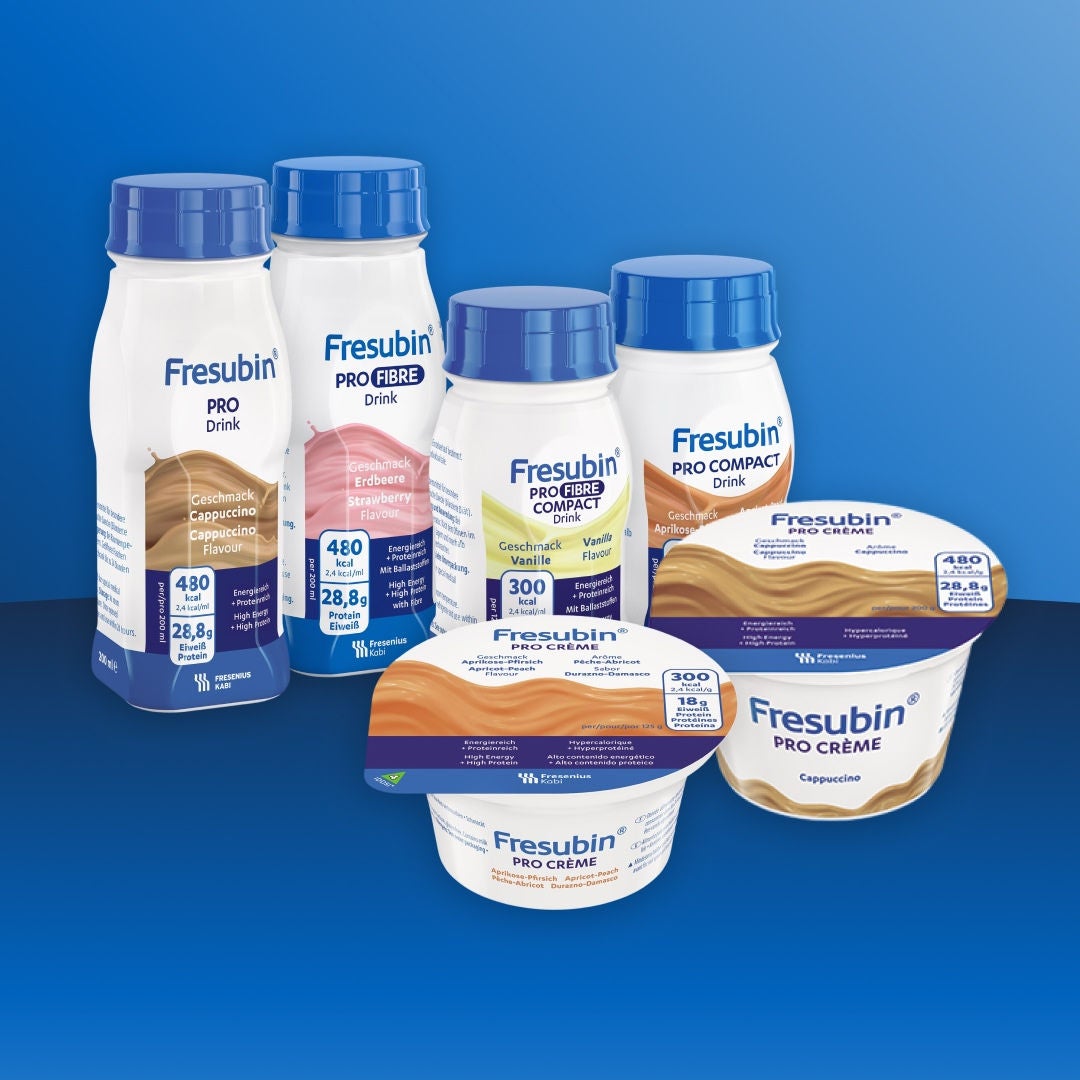
Fresubin's range of oral nutritional supplements for geriatrics includes PRO Drink, PRO FIBRE Drink, PRO FIBRE COMPACT, PRO COMPACT, and PRO CRÈME in 2 different volumes to offer a range of nutritional support options for geriatrics.

Learn more about Sarcopenia screening and diagnosis

A man walks outside with a healthcare professional thanks to the nutritional support delivered by Fresubin's range for geriatrics.

Sarcopenia screening and how tools can support diagnosis

Filename
Geriatrics_Sarcopenia_Folder_HCP_view_Sep2019.pdf
Size
4 MB
Format
pdf

Peter’s Story Nutrition to Support Strength and Daily Life

Peter, 75, a retired engineer, was struggling with malnutrition after the loss of his wife, with reduced appetite, frailty and difficulty managing daily chores.**

Supported by his daughter and care team, he followed an individualised nutritional care path with Fresubin PRO Drink to help address frailty and sarcopenia risk.

Hear how dedicated care, nutritional support and daily encouragement helped Peter rebuild routine, take walks in the garden and reconnect with those around him.

**Clinical scenario. For Healthcare Professionals only. To be used under medical supervision. This case does not imply guaranteed outcomes.

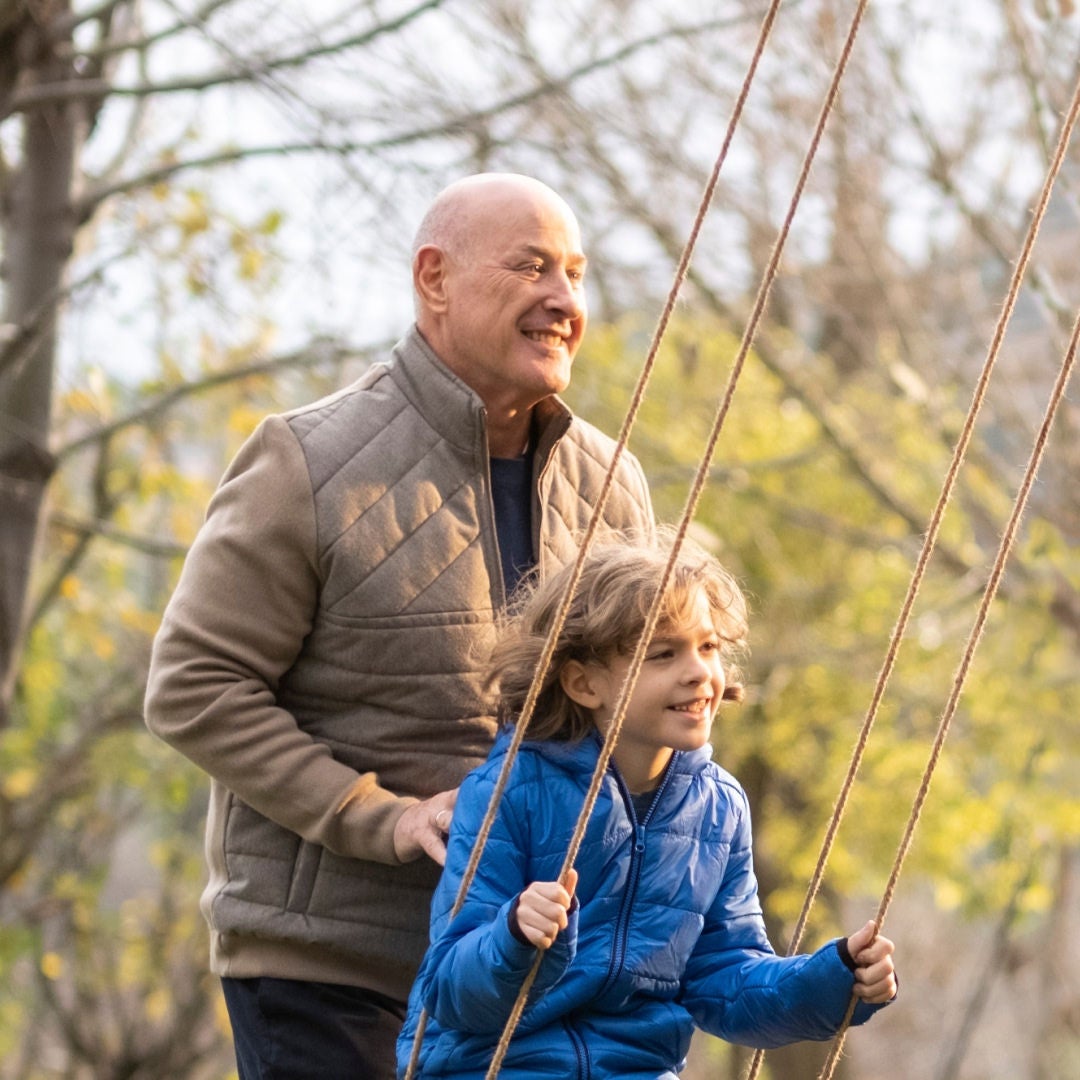
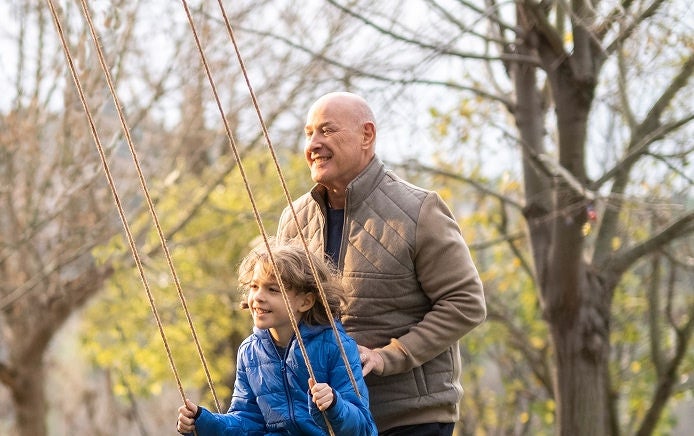
A grandfather smiles as he pushes his grandchild on a swing thanks to the energy and nutritional support provided by Fresubin's nutritional supplements for geriatrics.

Fresubin PRO factsheets can be downloaded here.

Fresubin PRO COMPACT Drink Factsheet

Filename
2p_FS_Fresubin_PRO_COMPACT_Drink_Jul26.pdf
Size
1 MB
Format
pdf

Fresubin PRO Drink Factsheet

Filename
2p_FS_Fresubin_PRO_Drink_Jul26.pdf
Size
1 MB
Format
pdf

Fresubin PRO FIBRE COMPACT Drink Factsheet

Filename
Fresubin_PRO_FIBRE_COMPACT_Drink_FS_HCP_Apr2026.pdf
Size
1 MB
Format
pdf

Fresubin PRO FIBRE Drink Factsheet

Filename
Fresubin_PRO_FIBRE_Drink_FS_HCP_viewPDF_Jul26.pdf
Size
1 MB
Format
pdf

Fresubin PRO CRÈME Factsheet

Filename
Fresubin_PRO_CREME_FS_HCP_200g_Aug2026 (1).pdf
Size
1 MB
Format
pdf
*Fresubin products are food for special medical purposes, to be used under medical supervision.


References

1) Leij-Halfwerka S, Verwijsa MH, van Houdta S, Borkenta JW, Guaitolia P.R. et al. Prevalence of protein-energy malnutrition risk in European older adults in community, residential and hospital settings, according to 22 malnutrition screening tools validated for use in adults ≥ 65 years: A systematic review and meta-analysis. Maturitas 2019;126:80-89.

2) ESPEN GL: Volkert D, Beck AM, Cederholm T, Cruz-Jentoft A, Hooper L, Kiesswetter E, Maggio M, Raynaud-Simon A, Sieber C, Sobotka L, van Asselt D, Wirth R, Bischoff SC. ESPEN practical guideline: Clinical nutrition and hydration in geriatrics. Clin Nutr. 2022 Apr;41(4):958-989. doi: 10.1016/j.clnu.2022.01.024. Epub 2022 Mar 5. PMID: 35306388.

3) Cruz-Jentoft AJ, Bahat G, Bauer J, Boirie Y, Bruyère O, Cederholm T, Cooper C, Landi F, Rolland Y, Sayer AA, Schneider SM, Sieber CC, Topinkova E, Vandewoude M, Visser M, Zamboni M; Writing Group for the European Working Group on Sarcopenia in Older People 2 (EWGSOP2), and the Extended Group for EWGSOP2. Sarcopenia: revised European consensus on definition and diagnosis. Age Ageing. 2019 Jan 1;48(1):16-31. doi: 10.1093/ageing/afy169. Erratum in: Age Ageing. 2019 Jul 1;48(4):601. doi: 10.1093/ageing/afz046. PMID: 30312372; PMCID: PMC6322506.

4) Hernández Morante JJ, Gómez Martínez C, Morillas-Ruiz JM. Dietary Factors Associated with Frailty in Old Adults: A Review of Nutritional Interventions to Prevent Frailty Development. Nutrients. 2019 Jan 5;11(1):102. doi: 10.3390/nu11010102. PMID: 30621313; PMCID: PMC6356476.

5) Bauer J, Biolo G, Cederholm T, et al. Evidence-based recommendations for optimal dietary protein intake in older people: a position paper from the PROT-AGE Study Group. J Am Med Dir Assoc. 2013;14(8):542-559

6) EFSA NDA Panel. (2016). Scientific opinion on dietary reference values for vitamin D. EFSA Journal, 14(10), 4547.

7) Deutsche Gesellschaft für Ernährung. (2018). DA-CH Referenzwerte für die Nährstoffzufuhr: 3. Ergänzungslieferung. Neuer Umschau Buchverlag.

For legal reasons, the following information is intended for healthcare professionals only. Please confirm that you are a healthcare professional before continuing.

If you are not a healthcare professional, please select No to be redirected to the appropriate consumer page.