Why Nutrition Matters in Chronic Kidney Disease (CKD)

When living with chronic kidney disease (CKD), diet can play an important role in your overall care.

Appropriate nutrition, when guided by your healthcare professional, can help support the management of CKD and your general wellbeing. Individual needs may vary depending on your stage of kidney disease and treatment plan.

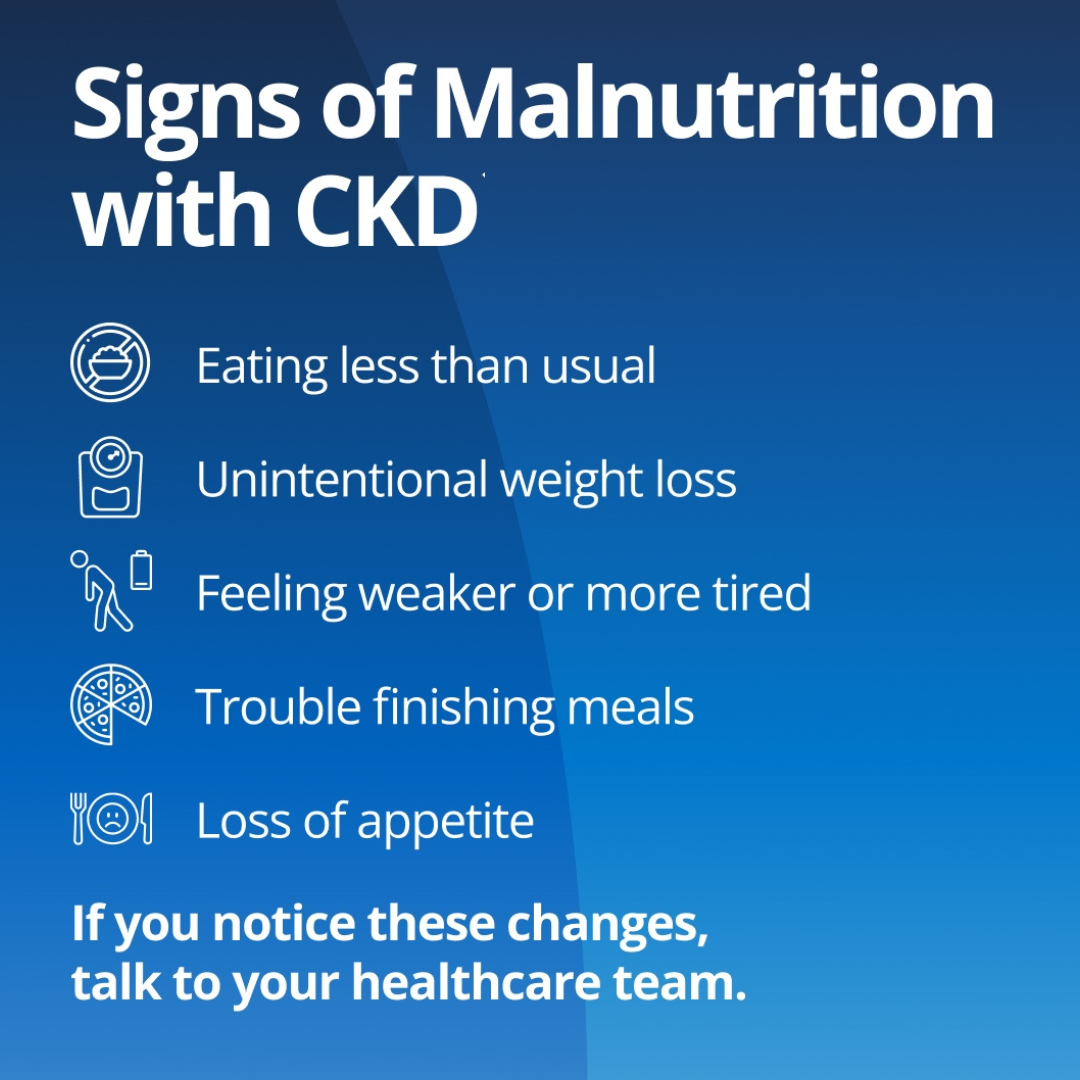
Fresubin explains how malnutrition warning signs for those with CKD include eating less than usual, unintentional weight loss, feeling weaker or more tired, trouble finishing meals, and loss of appetite. If you notice these changes, talk to your healthcare team.

Eating Well at Every Stage

Fueling your body with appropriate nutrition looks different depending on where you are in your journey.

In earlier stages, the focus is on balancing energy and controlling certain foods like salt, potassium and phosphorus. If you move to dialysis, protein needs may increase, as some nutrients can be lost during treatment. Maintaining adequate nutrition can help support your overall nutritional status, which may be affected in dialysis and linked to conditions such as protein-energy wasting (PEW).

Your Care, Your Journey

Good nutrition is not a one-size-fits-all plan. Your care team will regularly review your diet, blood results, and how you are feeling to keep your plan appropriate for your needs. 

In some cases, your healthcare professional may recommend oral nutritional supplements if it is difficult to meet your nutritional needs through diet alone. These can help support your nutritional intake as part of your overall care plan.

Fresubin explains practical steps to improve food intake: 1. Eat smaller, more frequent meals. 2. Discuss your kidney-friendly diet with your healthcare team. 3. Monitor weight, energy and appetite. 4. Ask about renal-specific nutritional supplements adapted for CKD with high energy and low volume.


Fresubin® products are classed as Foods for Special Medical Purposes and as such should be used under medical supervision. Fresenius Kabi are not able to sell products direct to patients or their carers. If you are concerned about your nutritional intake, we recommend speaking to your GP, dietitian, or healthcare team who can offer advice based on your medical history and individual needs.

GB-FreONS-2600067 September 2026