

- Why Is Protein Important?
Protein and Healthy Ageing
Do you sometimes feel less strong when playing with your grandchildren or carrying heavier items?
As we get older, muscle mass and strength can gradually decrease. Protein is an important nutrient that helps maintain muscle health, and getting enough protein becomes increasingly important with age.
Many people are unaware of the important role protein plays in the diet. Protein helps support muscle maintenance and contributes to many normal functions within the body. Not getting enough protein may contribute to reduced muscle mass, loss of strength and reduced physical function over time.
A balanced diet that includes enough protein, together with regular physical activity, can help support muscle health and independence as we age.






How much protein do I need?
Protein requirements vary from person to person depending on age, health and activity levels.
The European Society for Clinical Nutrition and Metabolism (ESPEN) recommends that older adults aim for around 1.0-1.2g of protein per kilogram of body weight per day, with higher amounts sometimes recommended in certain medical situations.
For example, a person weighing 70kg may require around 70g of protein each day, depending on their individual needs.
It may also be helpful to include a good source of protein at each meal, with some guidance suggesting around 25-30g of protein per meal where appropriate. Speak to your doctor or dietitian if you are unsure how much protein is right for you.
Not sure how to reach this amount of protein per meal? Here are some examples*:
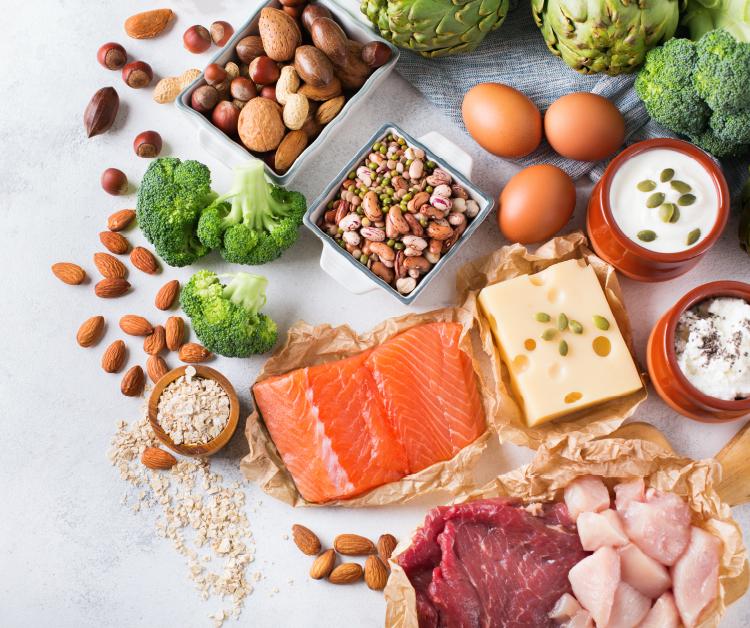
- 85 g of tuna, salmon, haddock or trout
21 g of protein
- 85 g of cooked chicken or turkey
19 g of protein
- 170 g of plain greek yoghurt
17 g of protein
- ½ cup cooked beans
8 g of protein
- 1 egg
6 g of protein
High protein food and drinks can be particularly useful in getting more protein.
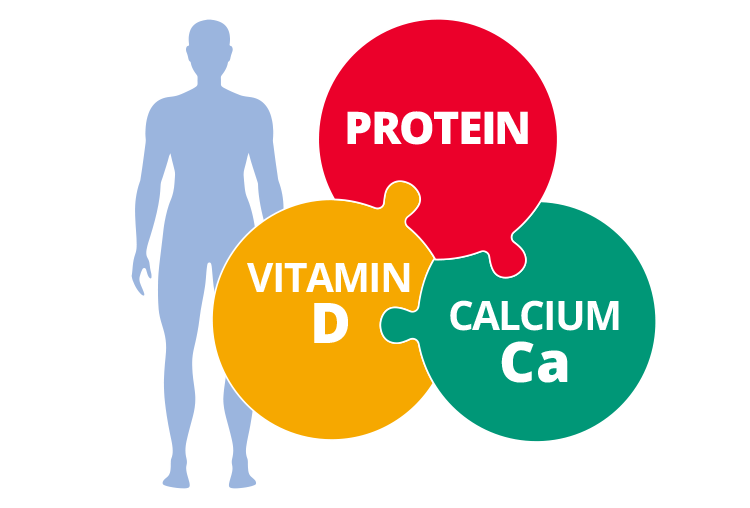
Protein works together with other nutrients to support normal body functions.
These nutrients include vitamin D and calcium, which play important roles in maintaining muscle and bone health.
Vitamin D and Calcium: Working Together

As we get older, bone density can gradually decrease. Vitamin D and calcium play important roles in maintaining healthy bones, while protein, vitamin D and calcium all contribute to musculoskeletal health.
Calcium works alongside protein and vitamin D to help maintain bone health. Older adults may be at increased risk of vitamin D deficiency. While the body can produce vitamin D when skin is exposed to sunlight, it may not always be possible to get enough through sunlight exposure alone. This means that dietary sources of vitamin D can be important.
Getting enough protein, vitamin D and calcium, together with regular physical activity, is important for supporting muscle and bone health. For some people, high-protein drinks containing vitamin D and calcium may help them meet their nutritional requirements when it is difficult to get enough through food alone.
Recommended intakes of calcium and vitamin D may vary according to age and individual circumstances. Speak to your healthcare professional if you are unsure whether you are meeting your nutritional requirements.

Protein, good nutrition and regular physical activity can help support healthy ageing.


Your healthcare professional can advise whether Fresubin® products may help support your nutritional intake when it is difficult to meet your nutritional needs through food alone.
Fresubin® products are classed as Foods for Special Medical Purposes and as such should be used under medical supervision. Fresenius Kabi are not able to sell products direct to patients or their carers. If you are concerned about your nutritional intake, we recommend speaking to your GP, dietitian, or healthcare team who can offer advice based on your medical history and individual needs.
GB-FreONS-2600117 September 2026