

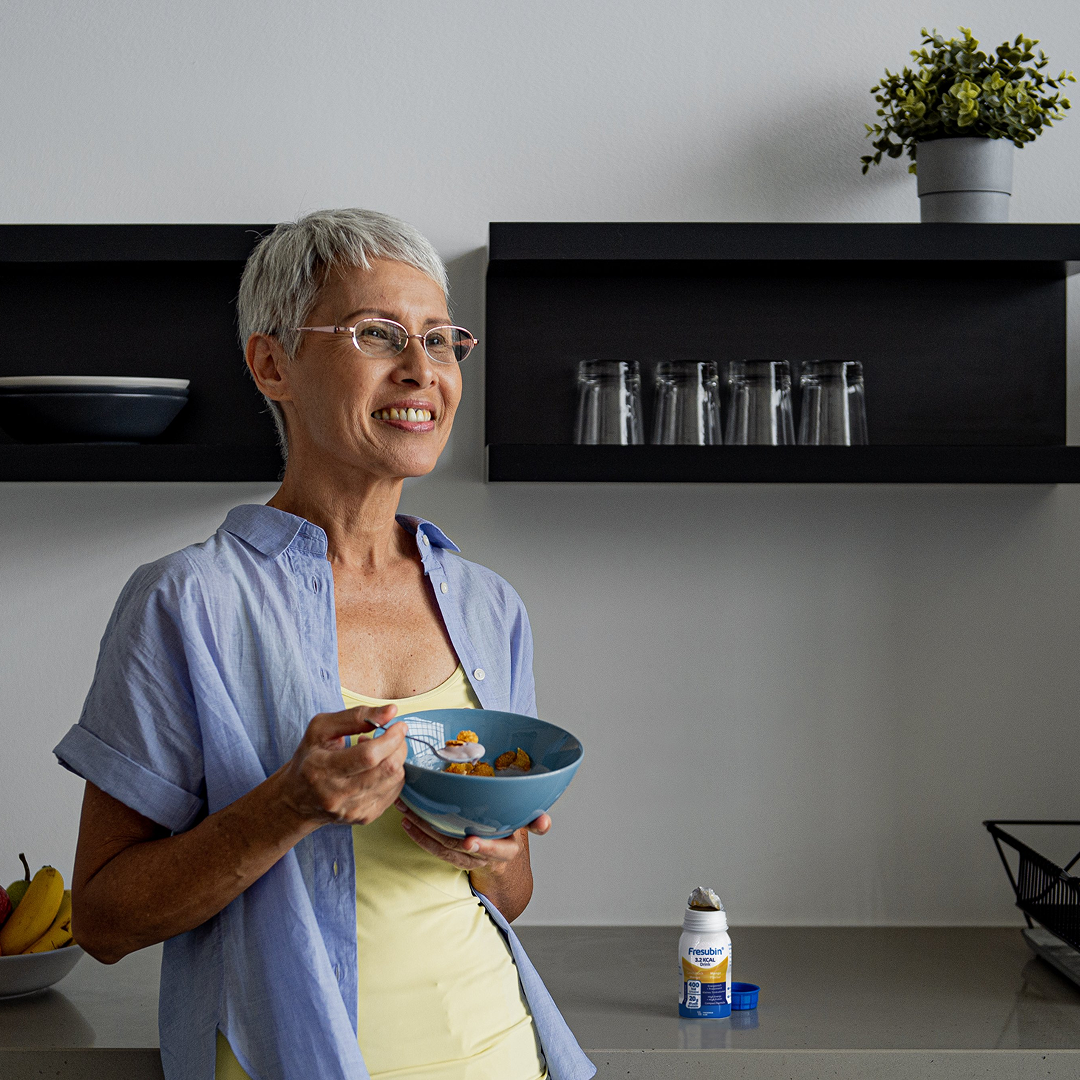
Supporting you through treatment

Maintaining a good nutritional status is an important part of supportive care during cancer treatment.

Your healthcare team will work with you to understand any difficulties you may be experiencing and provide advice tailored to your individual needs. Follow the advice of your doctor, dietitian and other healthcare professionals.

Tips for eating during cancer treatment

  • Try to include drinks that provide energy and nutrients as well as water and tea, particularly if nausea or vomiting make eating difficult.
  • Eat small amounts of foods you enjoy whenever your appetite allows.
  • Include a variety of foods to help manage changes in taste.
  • Allow yourself plenty of time to eat and make yourself comfortable.
  • When possible, eat with family or friends, as this may make mealtimes more enjoyable and encourage eating.

Supporting nutrition during cancer treatment

Maintaining a good nutritional intake during cancer treatment may help support:
 
  • Strength and energy levels
  • Maintenance of weight and muscle mass
  • Everyday activities and wellbeing
  • Nutritional needs when treatment affects eating and drinking

Taste changes are common during and after cancer treatment. Chemotherapy and radiotherapy can affect how foods and drinks taste, and some people notice a metallic or unusual taste.

If you experience a metallic taste, using plastic cutlery instead of metal cutlery may help. You may also find that only a few foods appeal to you for a period of time. This is common, and taste preferences can change throughout treatment.

Taste changes can be frustrating, but there are practical ways to manage them. Trying different foods, flavours and textures may help you find foods that are easier to enjoy.

If taste changes make it difficult to eat enough, oral nutritional supplements may help you meet your nutritional needs. Different flavours and formats are available, so it may be worth trying different options to find what works best for you.

Loss of appetite and tiredness can make eating more difficult during cancer treatment.

  • Try to eat when your appetite is at its best.
  • Small meals and snacks spread throughout the day may be easier to manage than three large meals.
  • Make the most of times when you feel able to eat.
  • Choose meals and snacks that you enjoy.
  • Keep a supply of foods that are quick and easy to prepare.
  • Try to eat in a comfortable and relaxed environment whenever possible.

Cancer and its treatment can sometimes affect digestion, causing symptoms such as constipation or diarrhoea.

If you are experiencing constipation:

  • Aim to drink enough fluids throughout the day, unless you have been advised otherwise by your healthcare team.
  • Including fibre-containing foods in your diet, where appropriate, may help support regular bowel movements.
  • Try to stay as active as you can, as gentle physical activity may also help bowel function.

If you are experiencing diarrhoea:

  • Choose foods that are easier to digest, such as rice, potatoes, lean meat, fish and well-cooked vegetables.
  • Make sure you drink enough fluids to help replace those lost through diarrhoea.
  • Some foods and drinks may worsen symptoms, so it may be helpful to identify and avoid any personal triggers.

If digestive symptoms persist, worsen, or make it difficult to eat and drink, speak to your doctor, dietitian or other healthcare professional for personalised advice and support.


Fresubin® and Supportan® offer a range of oral nutritional supplements, from high-energy drinks to specialist products designed for use in people with cancer. Your healthcare team can advise on the most appropriate nutritional support for your individual circumstances.

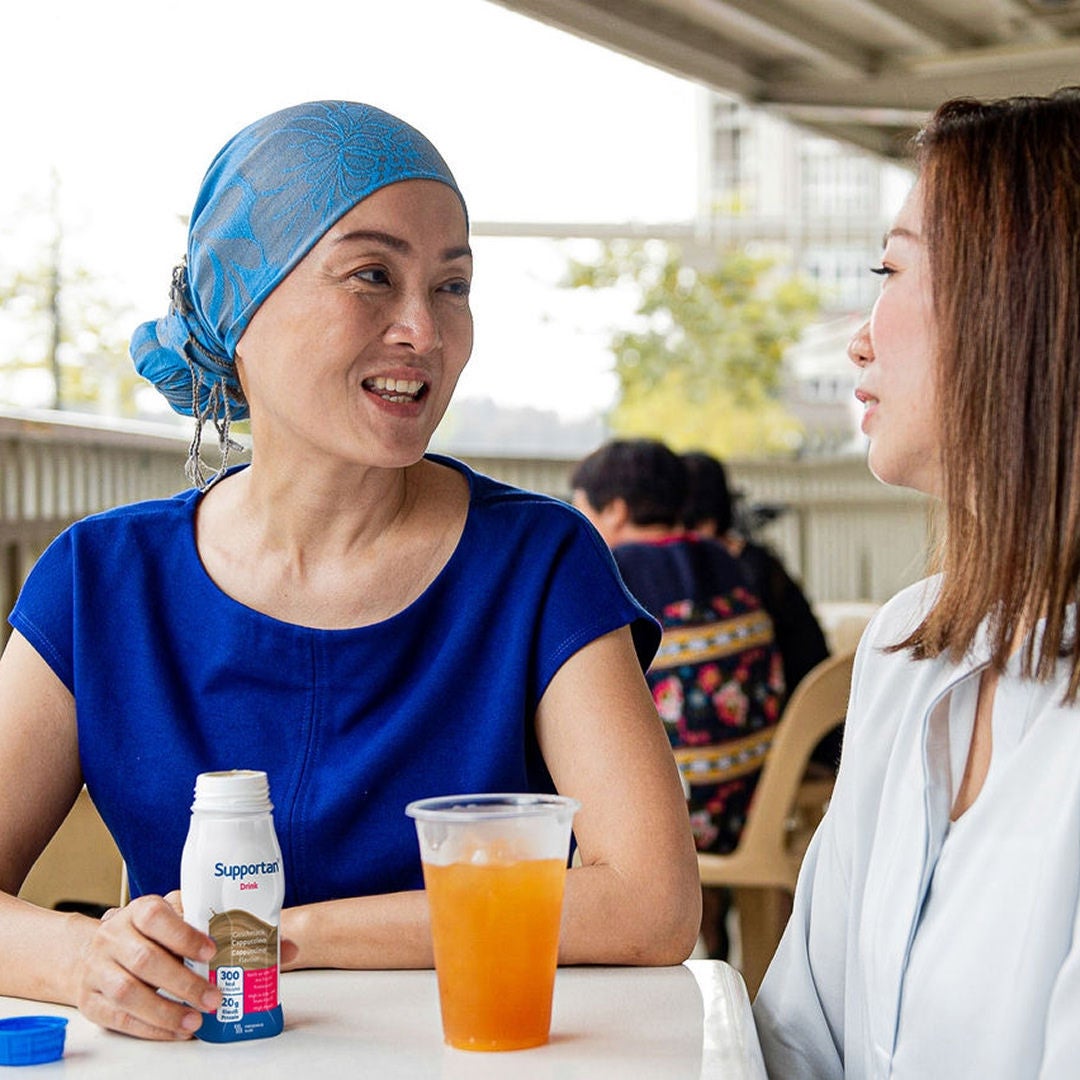
A woman in a blue headscarf and blouse speaks with a friend whilst enjoying Fresubin’s Supportan Cappuccino-flavoured Drink to support nutritional needs during cancer and treatment

Fresubin® products are classed as Foods for Special Medical Purposes and as such should be used under medical supervision. Fresenius Kabi are not able to sell products direct to patients or their carers. If you are concerned about your nutritional intake, we recommend speaking to your GP, dietitian, or healthcare team who can offer advice based on your medical history and individual needs.

GB-FreONS-2600111 September 2026